🤖 Generated with AI assistance · Does not replace individualized medical advice.
Therapeutic Melanoma Vaccines: Navigating the Neoantigen Era
AI Transparency Notice: This post was generated by an AI assistant to summarize and structure scientific literature for educational purposes. It does not constitute medical advice, diagnosis, or treatment recommendations. Always consult a qualified oncologist for clinical decisions.
Lead
This 2026 narrative review synthesizes the current landscape of therapeutic melanoma vaccines, highlighting the shift toward personalized neoantigen platforms. It examines how AI-driven epitope prediction and combination strategies with immune checkpoint inhibitors (ICIs) are overcoming historical barriers of tumor heterogeneity and immune evasion.
Key Facts
| Category | Detail |
|---|---|
| Primary Focus | Therapeutic melanoma vaccines (peptide, DC, mRNA, DNA, viral vector) |
| Key Innovation | Personalized neoantigen identification via AI/ML pipelines |
| Combination Strategy | Vaccines + ICIs (anti-PD-1, anti-CTLA-4) to enhance T-cell activation |
| Current Status | Encouraging safety/immunogenicity; limited widespread clinical implementation |
Why It Matters / Context
Melanoma has long served as the “poster child” for cancer immunotherapy due to its high mutational burden and immunogenicity. While immune checkpoint inhibitors (ICIs) have revolutionized treatment, a significant subset of patients remains resistant or experiences relapse. Therapeutic vaccines offer a complementary mechanism: rather than simply removing the “brakes” on the immune system (as ICIs do), they actively “train” the immune system to recognize specific tumor antigens.
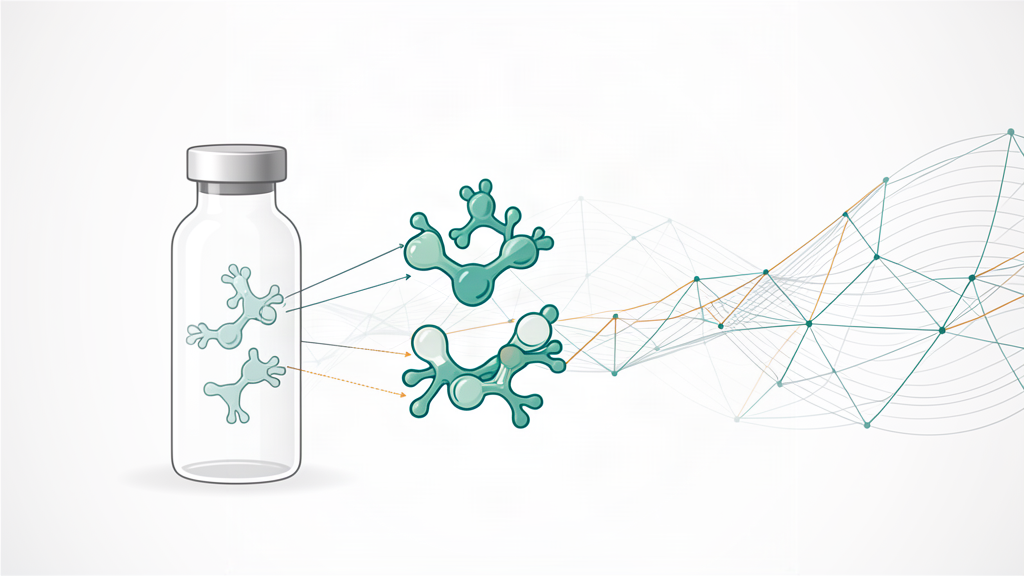
The review by Mhanna et al. underscores a critical paradigm shift from generic Tumor-Associated Antigens (TAAs) to personalized Tumor-Specific Antigens (TSAs) and neoantigens. The integration of Artificial Intelligence (AI) and Machine Learning (ML) into neoantigen identification pipelines is a pivotal development, addressing the historical bottleneck of slow and inaccurate epitope prediction PMID: 42724148. By targeting mutations unique to an individual’s tumor, these vaccines aim to minimize off-target effects and maximize specificity.
Furthermore, the review highlights the synergistic potential of combining vaccines with ICIs. While vaccines prime the T-cell response, ICIs help overcome the tumor-induced immune suppression that often blunts this response. This dual approach is currently a major focus in clinical trial design, aiming to convert transient immune responses into durable clinical remissions PMID: 42724148.
Details: Vaccine Platforms and Strategies
The review categorizes current melanoma vaccine strategies into several distinct technological platforms. Each platform offers unique advantages regarding manufacturing scalability, immunogenicity, and delivery mechanisms.
| Platform Type | Mechanism & Characteristics | Key Advantages/Challenges |
|---|---|---|
| Peptide-Based | Delivery of short amino acid sequences (epitopes) recognized by T-cells. | Advantage: High specificity, low toxicity. Challenge: Limited MHC restriction, short half-life PMID: 42724148. |
| Dendritic Cell (DC) | Ex vivo loading of patient-derived DCs with antigens, then reinfusion. | Advantage: Potent antigen presentation. Challenge: Complex manufacturing, difficult standardization PMID: 42724148. |
| mRNA / DNA | Nucleic acid platforms encoding tumor antigens; cells translate protein in vivo. | Advantage: Rapid manufacturing, scalable, flexible design. Challenge: Delivery efficiency, potential innate immune activation PMID: 42724148. |
| Viral Vector | Modified viruses (e.g., adenovirus, VSV) delivering antigen genes. | Advantage: Strong innate immune adjuvant effect. Challenge: Pre-existing immunity, vector safety concerns PMID: 42724148. |
The Role of AI and Personalization
A central theme of the review is the application of computational immunology. AI and ML algorithms are increasingly used to:
1. Predict Epitopes: Identify which mutated peptides are likely to be presented by the patient’s specific HLA molecules.
2. Optimize Vaccine Design: Select the most immunogenic neoantigens to include in the final vaccine construct.
3. Accelerate Turnaround: Reduce the time from tumor biopsy to vaccine administration, which is critical for maintaining the window of therapeutic opportunity PMID: 42724148.
Combination Therapies
The review emphasizes that vaccines rarely work in isolation. The standard emerging paradigm involves:
- Anti-PD-1/PD-L1: To block the primary checkpoint that tumors use to exhaust T-cells.
- Anti-CTLA-4: To enhance the initial priming phase of the T-cell response.
- Rationale: ICIs help overcome the immunosuppressive tumor microenvironment (TME), allowing the vaccine-primed T-cells to persist and expand effectively PMID: 42724148.
Limitations
⚠️ Critical Limitations & Challenges* Tumor Heterogeneity: Melanomas are genetically unstable. Neoantigens identified at baseline may be lost during treatment, leading to immune escape PMID: 42724148.
* Immune Evasion: Tumors can downregulate MHC molecules or upregulate alternative checkpoints (e.g., LAG-3, TIM-3), rendering PD-1/CTLA-4 combinations less effective PMID: 42724148.
* Biomarker Selection: There is currently no consensus on which biomarkers best predict response to therapeutic vaccines, making patient selection difficult PMID: 42724148.
* Manufacturing Complexity: Personalized vaccines require bespoke manufacturing for each patient, posing significant logistical and cost challenges for widespread clinical implementation PMID: 42724148.
* Evidence Gap: While safety and immunogenicity data are encouraging, the review notes that definitive efficacy data in large-scale Phase III trials remains limited PMID: 42724148.
Clinical Takeaway
Oncologists should consider therapeutic melanoma vaccines, particularly personalized neoantigen-based platforms combined with ICIs, as a promising investigational strategy for patients with high-risk or recurrent disease, while acknowledging that current evidence supports immunogenicity rather than definitive survival benefit.
Full Reference
Mhanna D, Salman B, El Hakim R, Aridi L, Abou Ali W, Al Halabi B. Therapeutic melanoma vaccines: Platforms, neoantigen strategies, and emerging combination immunotherapies. Therapeutic advances in vaccines and immunotherapy. 2026. PMID: 42724148 [DOI: 10.1177/25151355261488241]