🤖 Generated with AI assistance · Does not replace individualized medical advice.
AI in Cancer Theranostics: Bridging the Gap Between Dosimetry Complexity and Routine Clinical Care
AI Transparency Notice: This post was generated with the assistance of artificial intelligence tools to summarize and structure scientific literature. It is intended for educational and informational purposes only and does not constitute medical advice, diagnosis, or treatment recommendations. Always consult a qualified healthcare provider for personal medical concerns.
Lead
Artificial intelligence is emerging as a critical enabler for routine cancer theranostics, addressing persistent barriers in dosimetry and image analysis. This review evaluates AI’s current maturity, highlighting its potential to automate complex workflows and facilitate personalized radiopharmaceutical therapy in clinical practice.
Key Facts
| Domain | Key Insight |
|---|---|
| Primary Barrier | Routine theranostics are limited by complex dosimetry, demanding imaging protocols, and quantitative analysis challenges. |
| AI Application | ML/DL enables automated image interpretation, accelerated acquisition, and single-time-point dosimetry. |
| Future Concepts | Theranostic digital twins, physics-informed neural networks, and explainable AI are identified as next-generation directions. |
| Current Status | Significant progress exists, but widespread adoption is hindered by data quality, standardization, and clinical validation gaps. |
Why It Matters / Context
Theranostics—the simultaneous use of diagnostic and therapeutic radiopharmaceuticals—represents a paradigm shift in precision oncology. By targeting specific molecular pathways, these therapies offer personalized treatment options for cancers such as neuroendocrine tumors, prostate cancer, and thyroid cancer. However, the clinical translation of theranostics has historically been stalled by technical complexity.
The core bottleneck is dosimetry. To optimize therapeutic efficacy and minimize toxicity, clinicians must accurately calculate the radiation dose absorbed by target organs and tumors. Traditional methods require multiple imaging time points, complex mathematical modeling, and significant manual effort, making them impractical for routine clinical use. As noted in the literature, these “complex dosimetry procedures” and “demanding imaging protocols” have prevented theranostics from becoming a standard of care for many patient populations PMID: 42728548.
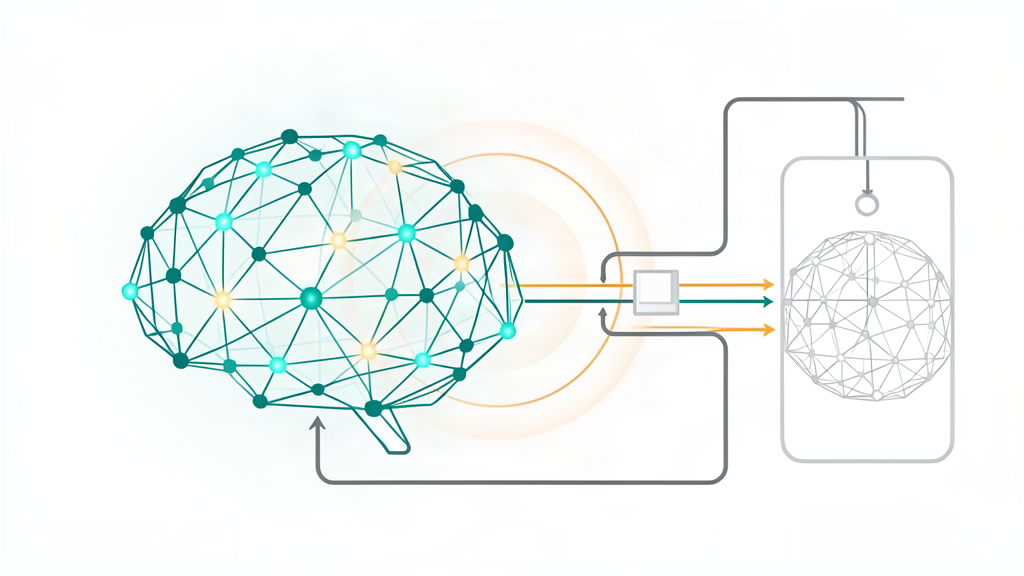
Artificial intelligence, particularly machine learning (ML) and deep learning (DL), offers a solution to this operational bottleneck. By automating image segmentation, accelerating data acquisition, and enabling single-time-point dosimetry estimates, AI can reduce the cognitive and logistical load on nuclear medicine teams. This review by Mansouri et al. provides a critical appraisal of where AI stands in this workflow, moving beyond hype to assess the actual readiness of these tools for clinical integration PMID: 42728548.
Details: AI Applications Across the Theranostic Workflow
The review categorizes AI applications into several functional areas, each addressing a specific limitation in the current theranostic pipeline. The following table summarizes the key technical advancements and their clinical implications.
| Workflow Stage | AI Technology | Clinical/Technical Benefit |
|---|---|---|
| Image Acquisition | Accelerated Acquisition Protocols | Reduces scan time and patient discomfort; improves throughput in clinical settings. |
| Image Analysis | Automated Image Interpretation | Enhances accuracy and consistency in tumor detection and organ segmentation. |
| Dosimetry | Single-Time-Point Dosimetry | Eliminates the need for multiple time-point scans, simplifying the dosimetry workflow. |
| Data Integration | Radiomics & Multi-Omics | Supports comprehensive patient profiling by integrating imaging features with genomic data. |
| Future Modeling | Digital Twins & PINNs | Physics- and biology-informed neural networks allow for more accurate simulation of treatment outcomes. |
Note: The review emphasizes that while these technologies show promise, they are at varying stages of maturity. Automated image interpretation and accelerated acquisition are closer to clinical implementation, whereas concepts like theranostic digital twins remain largely experimental PMID: 42728548.
Limitations
Critical Appraisal: Barriers to Widespread Adoption
Despite the technical advancements highlighted in the review, several significant challenges prevent the immediate, routine clinical adoption of AI in theranostics:
1. Data Quality and Standardization: AI models are only as good as the data they are trained on. Variability in imaging protocols, scanner types, and patient populations across institutions leads to poor generalizability. Without standardized data pipelines, models may fail when deployed in new clinical settings PMID: 42728548.
2. Interpretability and Trust: Many deep learning models operate as “black boxes,” making it difficult for clinicians to understand why a specific dosimetry estimate or segmentation was generated. This lack of explainability hinders trust and regulatory approval. The review highlights “explainable AI” as a crucial future direction to address this gap PMID: 42728548.
3. Clinical Validation: Most current studies are retrospective or small-scale. There is a lack of large, prospective, multi-center clinical trials demonstrating that AI-driven theranostics improve patient outcomes (e.g., survival, quality of life) compared to standard care.
4. Ethical and Privacy Concerns: The use of patient data for AI training raises significant privacy issues. Ensuring compliance with data protection regulations (e.g., GDPR, HIPAA) while maintaining data utility for model training remains a complex challenge PMID: 42728548.
Clinical Takeaway
Clinicians and researchers should prioritize the development of standardized, multi-center datasets and prospective validation studies to bridge the gap between AI’s technical potential and its routine clinical implementation in theranostics.
Full Reference
Mansouri Z, Salimi Y, Akhavanallaf A, Zaidi H. Artificial Intelligence Across the Cancer Theranostics Workflow: Critical Appraisal of Current Evidence and Future Clinical Translation. Mol Imaging Biol. 2026. doi: 10.1007/s11307-026-02136-2. PMID: 42728548.